

The Science Behind Plasma Donation: Understanding the Lifeline
What is Plasma and Why is it Vital for Health?
Plasma is the largest component of human blood, making up about 55% of its total volume. This straw-colored liquid plays a critical role in the maintenance of overall health. Comprising primarily water (about 90%), plasma also contains salts, enzymes, antibodies, and proteins. Key proteins found in plasma include albumin, fibrinogen, and globulins, each fulfilling essential functions that contribute to bodily processes. Albumin helps to maintain blood volume and pressure, while fibrinogen is crucial for blood clotting. Globulins include various types of antibodies vital for immune responses.
Plasma’s importance extends beyond mere sustenance; it serves as a transportation medium for cells and nutrients, ensuring that oxygen, hormones, and waste products are efficiently delivered and removed. In times of medical emergencies or chronic illnesses, plasma transfusions can be life-saving. For patients suffering from severe burns, infections, liver disease, or conditions that affect blood coagulation, plasma provides the needed proteins and helps in overall recovery. Moreover, plasma also undergoes processing to create therapies for conditions such as hemophilia and immune deficiencies, thereby reinforcing its essential role in modern medicine.
The Process of Plasma Donation: What to Expect
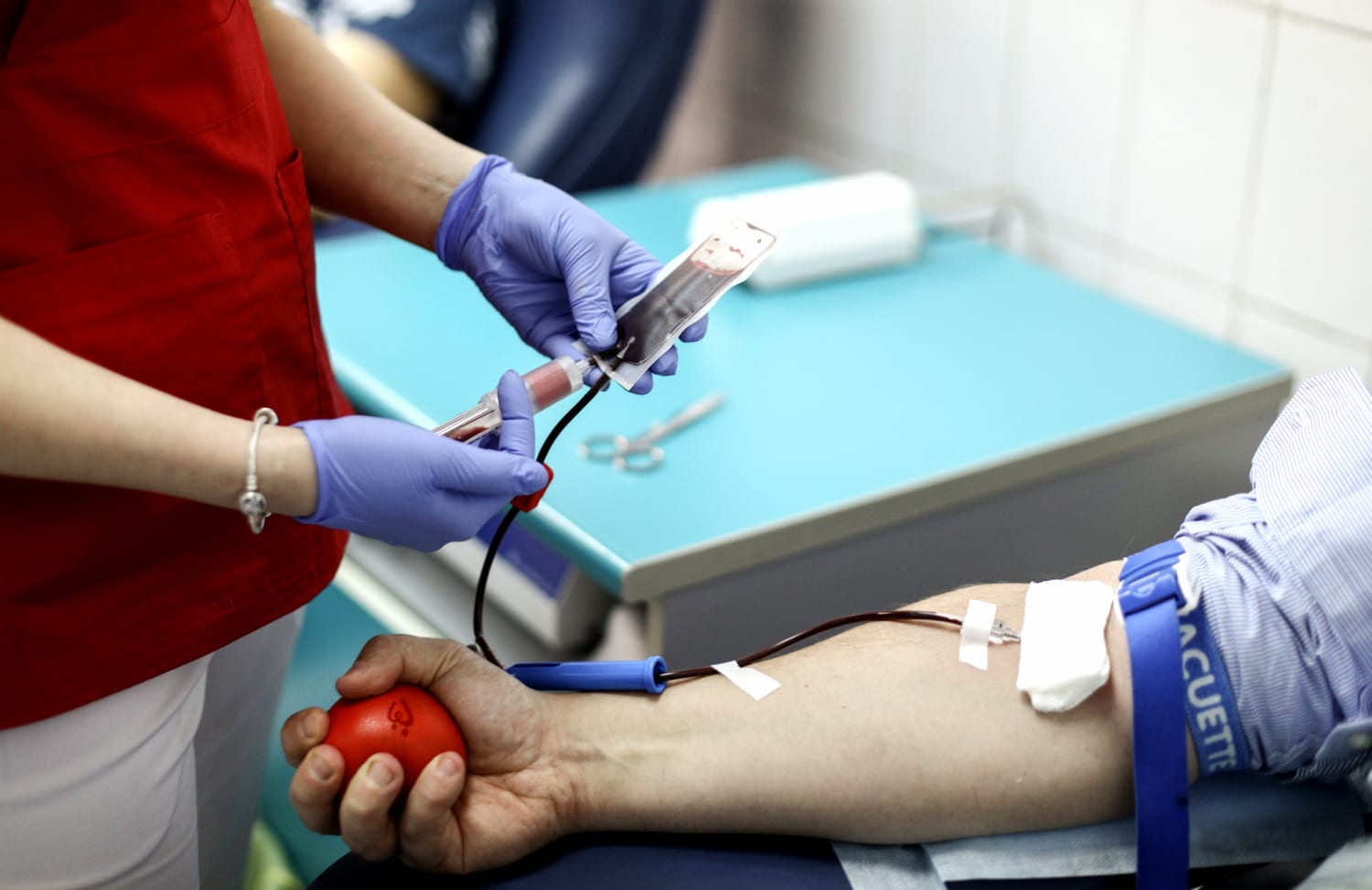
Donating plasma involves a straightforward and well-regulated process that generally lasts between 1 to 2 hours. Upon arrival at a donation center, donors can expect to undergo a thorough screening process that includes a medical history review and a physical examination to ensure suitability for donation. This initial step is crucial in preventing adverse health effects and ensuring the safety of both donor and recipient.
Once cleared to donate, the actual process begins. Unlike whole blood donation, where blood is drawn and immediately returned to the body, plasma donation uses a technique known as plasmapheresis. During this procedure, blood is drawn from one arm and circulated through a machine that separates plasma from the red blood cells, white blood cells, and platelets. The non-plasma components are returned to the donor’s body through the same arm or the other arm. Despite the lengthy process, most donors find it painless and experience minimal discomfort.
After donating, staying hydrated and consuming a healthy meal is essential as it helps replenish lost fluids and nutrients. It is also advisable to avoid strenuous exercise for at least a day post-donation. Donors typically receive compensation for their time and effort, which can vary based on location and frequency of donation.
Myths and Facts: Debunking Common Misconceptions
Despite the life-saving potential of plasma donation, numerous myths continue to circulate that deter individuals from participating. One prevalent myth suggests that donating plasma is highly painful; however, the procedure is designed to be safe and generally comfortable. Further, a common misconception is that donation takes a considerable amount of time and may interfere with daily activities; in reality, most donors are able to resume normal activities almost immediately after the donation.
Another myth posits that plasma donation can compromise one’s health. In truth, the body is capable of replenishing plasma within a couple of days, and donors are encouraged to engage in healthy practices for recovery. Additionally, people often worry about eligibility, fearing that conditions like high blood pressure or diabetes would disqualify them; however, many individuals with such conditions can donate safely when managed properly. It is important to consult healthcare professionals or donation center staff to clarify these uncertainties and empower informed decisions regarding plasma donation.
Who Benefits from Plasma Donation? The Real-World Impact
Patients in Need: Chronic Illnesses and Medical Emergencies
Plasma donation directly benefits a vast array of patients, particularly those afflicted with chronic health conditions or are in critical medical situations. Patients suffering from illnesses such as liver disease, various forms of cancer, and autoimmune disorders often require plasma-derived therapies. For instance, individuals with hemophilia need factor VIII and IX clotting proteins present in plasma to prevent life-threatening bleeding episodes.
The urgency of plasma donations becomes particularly evident during unforeseen medical emergencies like trauma. Burn victims, for example, often experience significant plasma loss, demanding prompt plasma transfusions to restore blood volume and prevent shock. Furthermore, during public health crises such as an outbreak of infectious diseases, convalescent plasma plasma collected from recovered patients proves indispensable for treating those still fighting the illness. Ultimately, each plasma donation can significantly impact these patients’ lives, underscoring the vital role of donors in healthcare systems.
The Role of Plasma in Research and Development of Treatments
Beyond immediate patient needs, plasma donation plays a foundational role in biomedical research and the development of novel treatments. Blood banks and research institutions rely on donated plasma to create therapies that target a plethora of diseases ranging from immunodeficiencies to cancer and beyond. Researchers require high-quality plasma to assess drug efficacy and safety before progressing to human trials.
In recent years, plasma-derived therapies have revolutionized treatment for conditions such as multiple sclerosis and certain types of lymphoma, emphasizing the importance of sustained plasma donation. Current research focuses on potential applications of plasma in regenerative medicine and gene therapy, promising a future where plasma donations could enable groundbreaking cures for previously untreatable illnesses.
Participating in plasma donation fosters contributions toward a future of medical innovation, highlighting the significant impact of individual contributions within a broader landscape of medical advancements. The support of community donors thus continues to be indispensable in the evolution of healthcare solutions.
Community Support: How Your Donation Helps Local Health Systems
Plasma donation is not only a boon for individual patients but also serves as a cornerstone for local health systems. Hospitals and healthcare facilities depend on steady supplies of plasma to maintain their operational effectiveness, especially during peak demand periods or public health crises. Local blood banks ensure that healthcare providers can access plasma quickly, thereby improving patient care outcomes and streamlining emergency response efforts.
In addition to addressing direct patient needs, plasma donations bolster community health infrastructures. Through local donation programs, health organizations foster partnerships with communities, raising awareness about the value of blood and plasma donation. This communal engagement can potentially lead to increased donor retention, volunteering opportunities, and public health initiatives that resonate with community well-being.
Moreover, many plasma centers engage in outreach and education efforts to highlight the importance of donation. By investing in communal education campaigns, these organizations can instill a culture of giving, transforming the act of donating into an integral part of societal values. Ultimately, each plasma donation strengthens local communities, reinforcing social cohesion and collective responsibility for health.
The Journey of Your Plasma: From Donation to Life-Saving Transfusions
The Path of Plasma: How It’s Collected and Processed
The journey of donated plasma is a meticulous one, specially designed to ensure the highest safety and quality standards. After donation, the plasma is collected in sterile bags and marked for identification. It is then transported to specialized laboratories for comprehensive screening, where advanced testing methods detect infectious diseases, blood type, and other essential markers, thereby ensuring it meets stringent safety criteria.
Following the screening process, plasma is often separated further into individual components like immunoglobulins and clotting factors for therapeutic use. This is accomplished through plasmapheresis or cryoprecipitation, which enables the production of specific therapies tailored to various medical conditions. This ability to customize plasma-derived products amplifies their effectiveness and can significantly enhance patient outcomes.
Throughout its journey, plasma must be stored and transported under regulated conditions to maintain its integrity. The entire process from donation through lab testing and subsequent distribution reflects an unwavering commitment to supporting patient needs while safeguarding donor health. This professional and ethical approach instills trust, inspiring continued community participation in donation efforts.
Transformative Treatments: Real Stories of Lives Changed
It is often the stories behind plasma donation that inspire individuals to take action. Countless patients attribute their recovery and improved quality of life to therapies derived from plasma. For instance, those with immune deficiencies, who require frequent immunoglobulin infusions to prevent severe infections, often describe the life-altering impact of these therapies on their ability to engage in daily activities and reduce healthcare-related anxiety.
Another poignant example includes individuals suffering from hemophilia, who depend on factor replacement therapy sourced from donated plasma to manage bleeding episodes effectively. Many patients recount once debilitating fears of injury transformed into independence and normalcy, thanks to the availability of these innovative treatments dependent on community generosity.
These stories underscore the profound nature of plasma donation; it is not merely a transactional process but a channel through which lives are profoundly affected. In amplifying awareness and sharing these narratives, plasma centers and advocates can further connect communities to the real impacts of their selfless contributions.
From the Lab to the Hospital: Ensuring Safety and Efficacy
Ensuring the safety and efficacy of plasma-derived products is paramount. After the rigorous screening and processing, it is mandated that all plasma products undergo thorough clinical trials to demonstrate their effectiveness in treating specific conditions. Regulatory bodies such as the Food and Drug Administration (FDA) impose stringent guidelines during this phase to maintain high-quality standards throughout the manufacturing process.
Following successful trials, products must be monitored continually post-marketing, with an emphasis on tracking both efficacy and any potential adverse effects. This vigilant approach not only ensures that patients receive the highest quality of treatment options but also reinforces public trust in plasma therapies. Reinforced by clinical and safety data, healthcare providers can confidently recommend therapies to patients, further emphasizing the importance of ongoing plasma donations in maintaining therapeutic supplies.
Your Next Steps: Becoming a Plasma Donor
What to Know Before Donating: Eligibility and Preparation
Before considering plasma donation, it is essential to understand eligibility requirements and preparatory measures. Typically, donors must be at least 18 years old and weigh at least 110 pounds. Additionally, certain health conditions may disqualify someone from donating, including recent infections, autoimmune disorders, or certain medications. Donors are encouraged to familiarize themselves with specific center criteria before proceeding.
Preparation for plasma donation includes maintaining a healthy lifestyle, adequately hydrating before the appointment, and ensuring it has been a reasonable amount of time since the last donation often a minimum of 48 hours is recommended, though local regulations may vary. Consuming a nutritious meal prior to donation can also prevent dizziness or fatigue post-donation, contributing to a more pleasant experience overall. Being proactive in understanding and preparing for donation maximizes both the donor’s and recipient’s experience, promoting a positive cycle of giving and receiving.
Finding a Donation Center: Location, Scheduling, and Resources
Locating a plasma donation center is an essential step in the donation process. With numerous facilities operating across the country, individuals can utilize online platforms or contact local hospitals or healthcare providers to find nearby options. Most donation centers maintain a web presence, allowing donors to schedule appointments conveniently, view eligibility criteria, and understand the unique services offered.
In addition to appointment scheduling, many centers provide valuable resources related to the donation process, including educational materials that clarify what to expect during and after the donation. Engaging with local centers can also connect potential donors with community events or drives that promote plasma donation, facilitating a more involved experience.
Participation in plasma donation drives can significantly strengthen community outreach, and understanding one’s local donation landscape promotes not only the act of giving but also fosters communal ties and collaborative support for health services. Individuals are encouraged to participate regularly and spread awareness to mobilize friends and family to join the cause.
Making It a Habit: The Long-Term Benefits of Regular Donations
Becoming a regular plasma donor creates a long-lasting impact, both on the community and on the donor themselves. Regular donations contribute to a steady supply of plasma, enabling healthcare providers to maintain essential therapies for patients in need. Establishing a habitual pattern not only helps stabilize local health resources, but it also elevates community awareness about the importance of plasma donation.
On a personal level, many donors report feeling a heightened sense of fulfillment and purpose, often discovering a new membership within their communities as they actively engage in supporting healthcare services. Beyond psychological benefits, regular donors tend to receive health monitoring from donation centers, offering insights into their own health status and potentially leading to early detection of any underlying issues.
As healthcare systems evolve and more treatments emerge that rely on plasma, the role of regular donors cannot be overstated. By committing to consistent donation, individuals participate in a life-saving mission that reinforces connections with their local communities while contributing to a vast and impactful network of healthcare solutions.
