

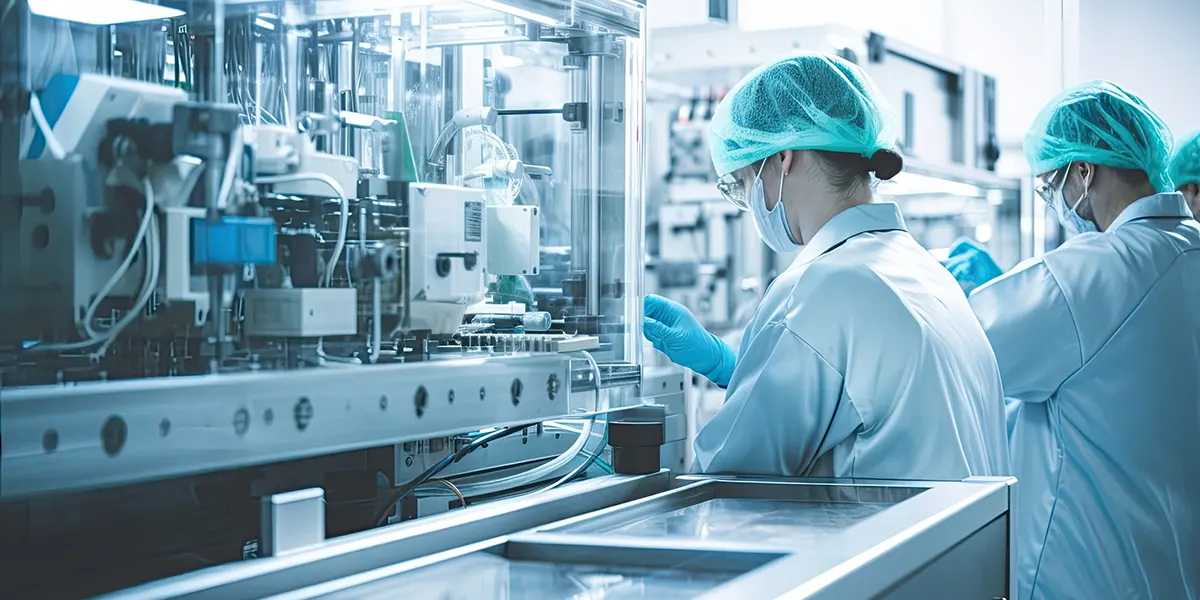
Artificial intelligence is reshaping pharmaceutical manufacturing, not through sudden disruption, but through a steady and largely unseen transformation. In an industry where precision, consistency, and strict regulatory compliance are essential, AI is quickly becoming a core component of modern operations.
From early-stage formulation to final packaging, pharmaceutical production involves a wide range of variables. Raw material quality can vary, environmental conditions must be tightly controlled, and human error is always a factor. AI helps address these challenges by introducing greater predictability into complex systems. Rather than replacing human expertise, it enhances it, providing manufacturers with clearer insights and more consistent execution.
Enhancing Operations with Adaptive Intelligence
What distinguishes AI from traditional automation is its ability to adapt. Instead of following fixed programming, AI systems evolve through data. Machine learning models refine their performance over time as they process new inputs, allowing manufacturing environments to become more responsive and efficient.
This adaptability is especially valuable in process optimization and predictive maintenance. AI can identify early indicators of equipment wear and recommend maintenance before failures occur. It can also detect when production conditions begin to shift and automatically adjust parameters to maintain optimal performance. These capabilities help reduce downtime, improve consistency across batches, and limit unnecessary waste.
AI’s impact extends beyond the production floor. In supply chain management, it enables more accurate forecasting by analyzing both historical trends and real-time data. This allows manufacturers to anticipate demand changes, manage inventory more effectively, and respond to global logistics challenges with greater confidence. What was once considered advanced capability is now becoming standard practice among forward-looking organizations.
Balancing Innovation with Compliance
Pharmaceutical manufacturing exists at the intersection of innovation and strict regulation. While progress is essential, compliance requirements are equally critical. Navigating this balance can be challenging, particularly as companies adopt new technologies.
AI helps bridge this gap. Tools such as natural language processing allow teams to quickly interpret complex regulatory documentation, while advanced data tracking ensures full traceability throughout the production process. These capabilities make it easier to introduce innovation while maintaining compliance with industry standards.
As AI continues to evolve, its role in pharmaceutical manufacturing will become even more embedded. This is not about following trends, but about establishing a more reliable, efficient foundation for the future of medicine.
For additional insight into how AI is redefining standards in pharmaceutical production, explore the visual guide below from outsourced maintenance providers, Advanced Technology Services.

