

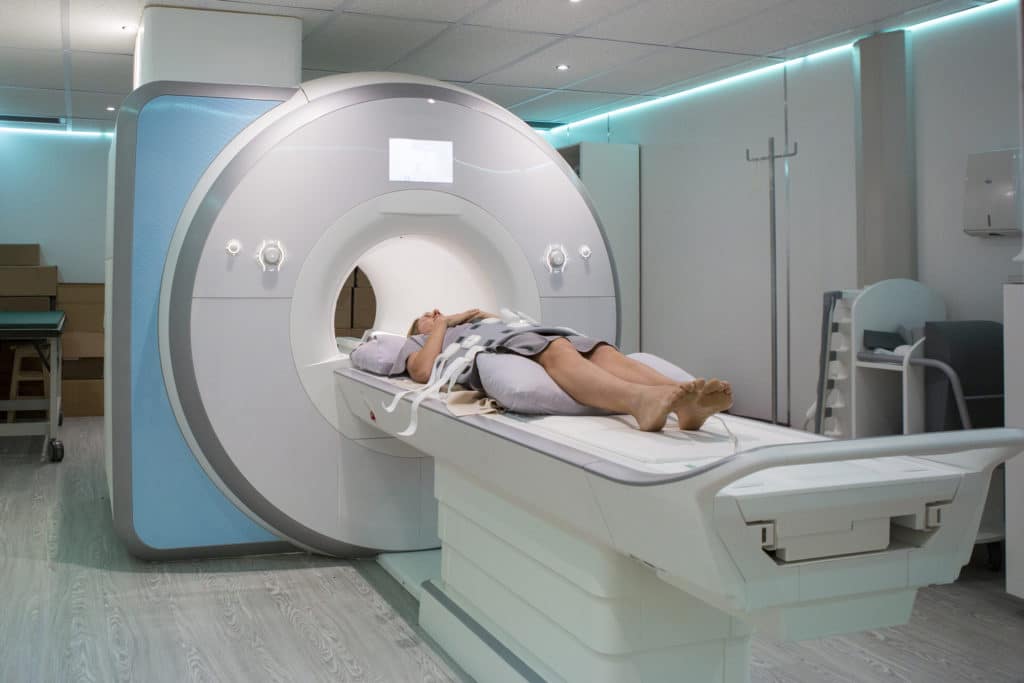
Magnetic Resonance Imaging (MRI) can feel like a highly technical process to patients, but many of the details that matter most are simple to notice once they are explained. A safety question, a clothing check, a small position adjustment or a reminder to stay still can all affect how the scan goes. Kasey McKillip, a seasoned MRI technologist with over a decade of hands-on experience in medical imaging, recognizes that attention to detail is part of both patient safety and patient comfort. Kasey McKillip stresses that careful attention to each step helps support both safety and image quality.
The first few minutes before an MRI can feel like a lot to take in. There may be forms to review, belongings to put away and instructions that sound very specific. When the technologist asks another question or adjusts the setup one more time, it is usually because the exam depends on getting those early details right. A careful start can help the rest of the scan feel more orderly once the table moves into place.
Safety Questions Are Never Routine
MRI safety screening is one of the first places where attention to detail matters. The scanner uses a strong magnetic field, so staff need to know about implants, pacemakers, surgical clips, metal fragments, medication patches, and past injuries involving metal. These questions may sound familiar or repetitive, but they are asked carefully for a reason.
Patients should answer as fully as they can, even when they are not sure whether something matters. A past surgery, a device card or an old injury can help the imaging team decide what steps are needed before the scan begins. It is better to mention the details and have staff review it than to leave something out because it seems unimportant.
Clothing and Metal Checks Protect the Room
Before an MRI, patients are often asked to remove jewelry, watches, glasses, hearing aids, hairpins, phones, keys, and wallets. Clothing with zippers, snaps, hooks, underwire or metallic fibers may also need to be changed. This part of preparation can feel inconvenient, especially when patients are already anxious or trying to stay on schedule.
These checks help keep unsafe items away from the magnet and reduce the chance of problems during the scan. They can also help prevent image issues caused by hidden metal. A simple clothing change or a careful pocket check may seem small, but in the MRI room, small details can carry real importance.
Positioning Affects Both Comfort and Image Quality
Once the patient is on the table, positioning becomes a major part of the exam. The technologist needs to place the body part being scanned in the right spot and may use cushions, pads, straps, or coils to support the setup. A small shift in placement can affect whether the images show the needed area clearly.
Positioning also affects how comfortable the patient feels. If a person has pain, stiffness or anxiety, staying still can be difficult. A technologist who notices discomfort before the scan starts may be able to make an adjustment that helps the patient settle. Kasey McKillip’s patient-centered approach reflects how detail-oriented MRI work can support both technical accuracy and a calmer patient experience.
Stillness Requires Clear Instructions
Patients are often told to stay still during an MRI, but that instruction can feel harder than it sounds. The scan may take time, the machine may be loud, and the patient may be trying not to think about the enclosed space. Even small movements can blur images or make part of the scan harder to review.
This is why technologists often give short, specific updates during the exam. They may tell the patient when a sequence is starting, how long it may last, or when movement should be avoided. These details help patients focus on one step at a time. Clear instructions can make stillness feel more manageable.
The Right Setup Helps the Radiologist Review Images
After the MRI, a radiologist reviews the images and prepares a report for the provider who ordered the exam. The technologist does not diagnose conditions during the appointment, but the way the scan is performed can affect the quality of the images sent for review.
Attention to detail helps the technologist follow the correct protocol, capture the right views, and notice when an image may need to be repeated. This does not always mean something is wrong. Sometimes a repeated image is simply part of getting a better view.
Communication Details Can Ease Patient Worry
Small communication choices can change how an MRI appointment feels. A patient who knows what the sounds mean, how to use the call button, and when the scan may pause may feel less uncertain. A patient who is not told these details may feel alone once the table moves into the scanner.
Technologists often use simple explanations to help patients understand the process before it begins. This can include describing the knocking sounds, explaining the intercom, or giving a general time estimate. These details may not change the machine, but they can help the patient feel more prepared for what happens next.
Patients Play a Role in the Details
Patients are not expected to understand every technical part of MRI work. Still, they do play an important role in the details that support the scan. Answering screening questions honestly, removing metal items, staying still when instructed and speaking up about pain or anxiety can all help the appointment go more smoothly.
It may also help patients to bring implant cards, a list of past surgeries, or details about previous injuries, if they have them. When something is unclear, it is always better to ask before the scan begins.
Careful Details Build a Better Experience
Attention to detail is critical in MRI work because the process depends on safety, image quality, and patient cooperation. From screening forms to positioning, each step supports the next. For anxious or unfamiliar patients, understanding those details can make the appointment feel less mysterious.
An MRI may still feel uncomfortable or stressful for some people, but clear preparation can help. Patients do not need to know how every image is created. They only need to understand why the team asks careful questions, why stillness matters, and why small steps are taken before the scan begins. In MRI work, those small steps are often what help the exam stay safe, focused and patient-centered.
