

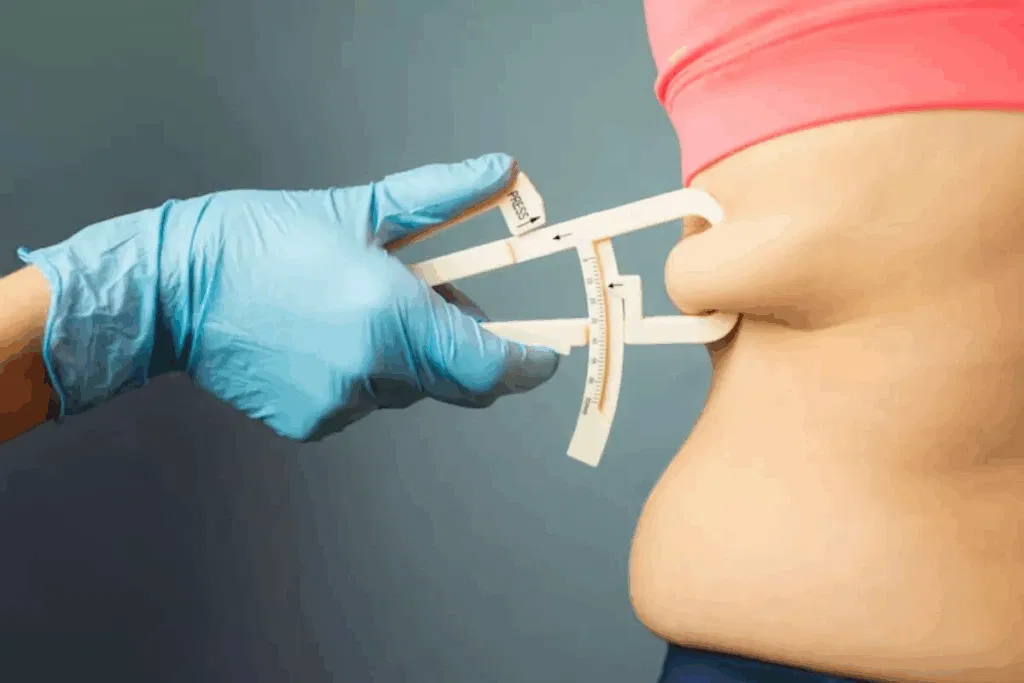
Weight loss surgery has become an important option for individuals who struggle with obesity and related health conditions when lifestyle changes alone do not produce sustainable results. Among the available bariatric procedures, gastric sleeve surgery is one of the most commonly performed because of its effectiveness and minimally invasive approach.
As interest in this procedure continues to grow, many patients begin researching what the surgery involves, how recovery works, and what long-term changes it may require. In this article, we address some of the most frequently asked questions about gastric sleeve surgery to help patients better understand the procedure and what to expect. If you are considering gastric sleeve surgery in Plano, discussing these questions with a qualified surgeon during consultation can help clarify whether the procedure aligns with your individual health needs and weight-loss goals.
1- How does gastric sleeve surgery help with weight loss?
Gastric sleeve surgery helps with weight loss primarily by changing both stomach capacity and appetite regulation. During the procedure, surgeons remove a large portion of the stomach, about 75–80%, leaving behind a narrow, sleeve-shaped stomach. Because the stomach is much smaller, patients feel full after eating significantly smaller portions, which naturally reduces calorie intake.
The surgery also influences hunger signals. The portion of the stomach that produces much of the hormone ghrelin, which stimulates appetite, is removed during the procedure. Lower ghrelin levels can reduce feelings of hunger and help patients feel satisfied sooner after meals.
Together, reduced stomach capacity and hormonal changes help support weight loss, especially when combined with long-term dietary and lifestyle adjustments.
2- Am I a candidate for gastric sleeve surgery?
Gastric sleeve surgery is generally recommended for individuals with severe obesity who have not achieved sustainable weight loss through lifestyle changes or medical treatment alone. While eligibility varies by individual, physicians rely on established medical guidelines to determine whether bariatric surgery may be appropriate.
Common criteria include:
- Body mass index (BMI) of 40 or higher, which falls within the range of severe obesity
- BMI of 35 or higher with obesity-related health conditions, such as type 2 diabetes, obstructive sleep apnea, or hypertension
- A history of unsuccessful weight loss attempts through medically supervised diet, exercise, or medication-based programs
Beyond these benchmarks, surgeons also assess overall health, medical history, and readiness to adopt long-term dietary and lifestyle changes following the procedure.
For individuals researching surgical options, consulting an experienced gastric sleeve surgeon in Plano, like Dr. Sachin Kukreja at the DFW Bariatrics and General Surgery, can help clarify whether sleeve gastrectomy aligns with personal health goals and clinical needs.
3- How much weight can I expect to lose after gastric sleeve surgery?
Gastric sleeve surgery helps promote significant weight loss by reducing stomach capacity and altering hunger-related hormones. While individual results vary, most patients experience steady and meaningful weight reduction over time, particularly when the procedure is combined with consistent lifestyle changes.
Typical outcomes include:
- Average excess weight loss of about 60–70% within the first 12–18 months after surgery
- Most noticeable weight loss during the first 6–12 months, when the body adjusts to smaller food portions and hormonal changes
- Gradual stabilization of weight as the body adapts and patients transition to long-term eating habits
Long-term success depends heavily on personal habits. Maintaining balanced nutrition, regular physical activity, and routine medical follow-up plays a key role in sustaining weight loss and preventing regain after gastric sleeve surgery.
4- What will recovery be like after gastric sleeve surgery?
Recovery after gastric sleeve surgery usually progresses gradually over several weeks. Most patients stay in the hospital for about one to two days, followed by a structured recovery period at home.
Typical recovery milestones include:
- Early recovery (first 1–2 weeks): Focus on rest, hydration, and a liquid or soft diet while the stomach heals
- Return to work and routine activities: Many patients resume light work and daily activities within about two to four weeks, depending on the nature of their job
- Follow-up appointments: Regular check-ups help monitor healing, guide diet progression, and ensure healthy weight-loss progress
Attending scheduled follow-ups and following dietary instructions are essential for safe recovery and long-term success after surgery.
5- Is gastric sleeve surgery safe and what are the risks?
Gastric sleeve surgery is widely performed and is generally considered safe when carried out by experienced bariatric surgeons in an appropriate medical setting. Like any surgical procedure, however, it involves certain risks that patients should understand before making a decision.
Possible risks include:
- General surgical risks, such as bleeding, infection, blood clots, or reactions to anesthesia
- Procedure-specific complications, including staple line leaks, narrowing of the stomach (stricture), or acid reflux
- Nutritional deficiencies, which may develop if long-term dietary guidance and supplementation are not followed
Individuals researching gastric sleeve surgery in Plano are often encouraged to review surgeon experience, hospital accreditation, and post-operative support before proceeding.
6- What can I eat after gastric sleeve surgery?
Eating after gastric sleeve surgery follows a structured progression that allows the stomach to heal while gradually reintroducing solid foods. The exact timeline can vary, so it is important to follow the dietary guidance provided by your care team.
Typical diet stages include:
- Clear liquids (first few days): Water, broth, and sugar-free fluids to maintain hydration while the stomach begins healing
- Full liquids and puréed foods: Protein shakes, yogurt, and blended foods that are easy to digest
- Soft foods: Eggs, soft fruits, cooked vegetables, and tender proteins introduced gradually
- Regular bariatric diet: Small portions of balanced meals with an emphasis on protein
Over the long term, meals are typically small and nutrient-focused, with an emphasis on protein intake, proper hydration, and recommended vitamin supplementation. Your surgeon or dietitian will guide portion sizes and food choices as recovery progresses.
7- Can my stomach stretch again after gastric sleeve surgery?
Gastric sleeve surgery permanently reduces the size of the stomach by removing a large portion of it, creating a narrow sleeve-shaped structure. The removed portion cannot grow back. The remaining stomach does not return to its original size, but it can gradually expand slightly over time if it is consistently exposed to larger food portions.
Several factors influence long-term stomach capacity and weight maintenance:
- Eating habits: Regularly consuming large portions or frequent overeating may slowly increase stomach capacity
- Meal structure: Small, balanced meals eaten slowly help maintain the intended restriction of the sleeve
- Lifestyle consistency: Long-term results are supported by healthy eating patterns, physical activity, and regular medical follow-up
Maintaining recommended portion sizes and dietary habits plays an important role in preserving the benefits of gastric sleeve surgery over the long term.
8- Will the weight loss last long term?
Weight loss after gastric sleeve surgery can be long lasting, but maintaining the results depends on consistent lifestyle habits and ongoing medical guidance. The procedure helps by reducing stomach capacity and influencing hunger-related hormones, but long-term outcomes are closely tied to daily behavior and follow-up care.
Sustained success is typically supported by:
- Lifestyle commitment: Maintaining balanced eating habits, portion control, and regular physical activity
- Routine medical follow-up: Ongoing appointments help monitor nutrition, weight trends, and overall health
- Long-term health management: Continued adherence to dietary guidance, vitamin supplementation, and behavioral changes
Patients who remain engaged with their care team and maintain recommended habits are more likely to preserve their weight loss and overall health improvements over time.
Read more: 5 Reasons to Undergo Gastric Sleeve Surgery
Taking the Next Step in Your Weight Loss Journey
Gastric sleeve surgery can be a meaningful step toward improving long-term health, but the decision should always be guided by careful evaluation and clear expectations. Understanding how the procedure works, what recovery involves, and the lifestyle changes required afterward helps patients approach the process with confidence. For individuals exploring gastric sleeve surgery in Plano, taking the time to consult a qualified bariatric specialist, review treatment options, and discuss long-term goals can help ensure that the decision is informed, appropriate, and aligned with individual health needs.
