

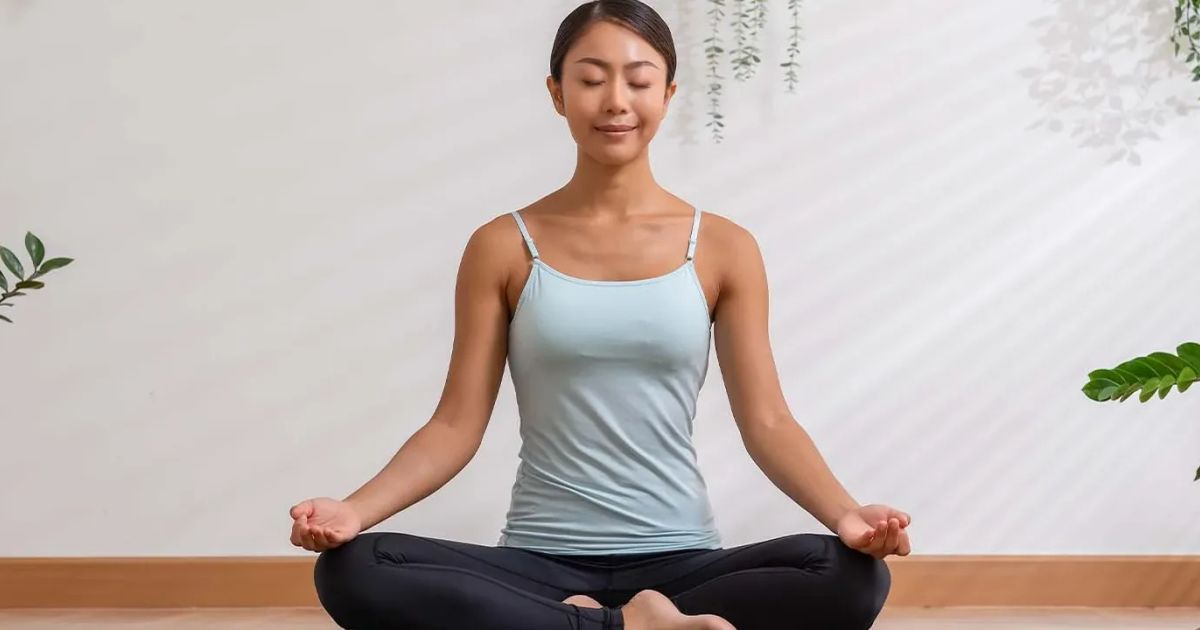
Modern life operates at an unprecedented pace. The constant barrage of notifications, demanding work schedules, and personal obligations can keep the human nervous system in a state of perpetual low-grade stress. Many individuals struggle with what is colloquially termed a busy mind—a state of mental chatter, constant future-planning, and rumination over past events. While traditional seated meditation offers a path to stillness, many find it incredibly difficult to sit quietly with their thoughts when their minds are already racing.
This is where yoga reveals its profound psychological utility. Far from being a mere physical fitness routine designed for flexibility and strength, yoga is an ancient behavioral practice engineered to harmonize the mind and body. By pairing deliberate physical movement with structured breathwork, yoga functions as a form of moving meditation. It offers a practical gateway to mindfulness for those who find stillness challenging, providing a biological and psychological bridge from chaos to tranquility.
The Physiology of Mindfulness in Motion
To understand how yoga calms a busy mind, it is helpful to examine the autonomic nervous system. The nervous system operates primarily in two modes: the sympathetic nervous system, which governs the fight-or-flight response, and the parasympathetic nervous system, which manages the rest-and-digest functions.
When you experience chronic psychological stress, your brain perceives your daily worries as physical threats. This keeps the sympathetic nervous system activated, flooding your bloodstream with cortisol and adrenaline, elevating your heart rate, and shallowing your breathing. A busy mind is often simply a brain responding to this chemical cocktail.
Yoga directly intervenes in this loop through three core mechanisms:
-
The Vagus Nerve Stimulation: Slowly moving through physical postures while maintaining deep, diaphragmatic breathing stimulates the vagus nerve. The vagus nerve is the main component of the parasympathetic nervous system. Activating it sends an immediate biological signal to the heart and lungs to slow down, reducing systemic cortisol levels.
-
Proprioceptive Focus: When you execute a complex yoga posture, your brain must calculate your body’s position in space. This sensory feedback loop, known as proprioception, demands significant neural bandwidth. Because your brain is focused on keeping your balance and aligning your limbs, it temporarily loses the ability to sustain anxious, looping thoughts.
-
Interoceptive Awareness: Yoga encourages practitioners to turn their attention inward to notice subtle physical sensations, such as the stretch of a muscle or the expanding of the ribcage. This shifts brain activity away from the default mode network—the region of the brain responsible for rumination and mind-wandering—and activates the insula, which processes present-moment physical awareness.
Deconstructing the Moving Meditation Pipeline
The mental relief experienced during a yoga session is not accidental; it is the result of a systematic sequence designed to transition the mind from external distraction to internal quietude. This pipeline is generally achieved through the synthesis of three primary components: asana, pranayama, and dhyana.
Asana: Physical Postures as Anchors
In Western culture, the physical postures, or asanas, are often viewed through the lens of exercise. However, in the classical tradition, asanas were developed to prepare the body to sit comfortably for extended periods. When the mind is restless, the body is often restless too, holding tension in the shoulders, neck, and hips. By moving the body through a deliberate sequence of stretches and balances, you release this accumulated physical tension. The physical discomfort of daily life is dissolved, removing a major source of subconscious mental distraction.
Pranayama: Conscious Breath Regulation
The breath is the only autonomic function that can be easily controlled by conscious choice. It serves as a direct dial to your emotional state. Fast, shallow breathing perpetuates a state of anxiety. Conversely, prolonged, rhythmic breathing initiates relaxation.
During a yoga practice, techniques such as ujjayi pranayama (victorious breath) or nadi shodhana (alternate nostril breathing) are employed. By regulating the length and depth of each inhalation and exhalation, practitioners consciously override the automated stress responses of the brain, inducing a state of psychological calm.
Dhyana: Cultivating One-Pointed Attention
As the physical body tires and the breath stabilizes, the mind naturally settles into a state of one-pointed focus, or dhyana. Instead of fighting your thoughts, you learn to observe them as passing mental events. This shifts your relationship with your mind. You begin to realize that you are the observer of your thoughts, not the thoughts themselves, which creates an immediate sense of mental spaciousness and emotional relief.
Long-Term Psychological Transformations
Engaging in a regular yoga practice does more than provide temporary stress relief during a class; it induces long-term positive changes in brain structure and emotional resilience. Neuroscientific studies utilizing brain imaging have shown that regular yoga practice leads to structural adaptations over time.
Neuroplasticity and Emotional Regulation
Consistent yoga practice has been associated with an increase in gray matter volume in the hippocampus, the area of the brain responsible for memory formation and emotional regulation. Concurrently, regular practitioners often show a reduction in the size and reactivity of the amygdala, the brain’s primary fear and stress center. This means that over time, your baseline reactivity to everyday stressors decreases. You become less likely to experience a frantic, busy mind when faced with unexpected challenges at work or home.
Breaking the Cycle of Rumination
For those suffering from anxiety or mild depression, the mind tends to get trapped in negative cognitive loops. Yoga teaches the concept of non-attachment and mindfulness. By repeatedly bringing a wandering mind back to the physical reality of the breath and body during a challenging posture, you train the brain to break away from cognitive distortions. This builds cognitive flexibility, allowing you to dismiss unproductive thoughts in your daily life more efficiently.
Practical Strategies for Integrating Yoga Into a Hectic Schedule
You do not need to spend hours at a dedicated studio to experience the cognitive benefits of yoga. For a busy mind, small, consistent interventions are far more effective than sporadic, lengthy sessions.
-
Start with Short Micro-Sessions: A dedicated ten-to-fifteen-minute sequence in the morning can set a calm neurological tone for the entire day. Focus on simple movements paired with deep breathing rather than complex, intimidating shapes.
-
Utilize Transition Yoga: Use brief periods of yoga to transition between contrasting parts of your day. For example, doing a few gentle stretches and breathing exercises immediately after closing your work laptop can help your brain transition from professional stress to evening relaxation.
-
Prioritize Breath Over Complexity: If you find yourself struggling to balance or feeling frustrated by a posture, lower the physical intensity. The mental benefits of yoga are tied to the calmness of your breath, not the advanced nature of your physical flexibility.
Frequently Asked Questions
What specific style of yoga is most effective for calming an overactive or anxious mind? For an incredibly restless mind, starting with a gentle flow like Hatha or Vinyasa can be beneficial because the continuous movement gives the brain an active physical anchor to focus on. Once the initial restless energy is dissipated, transitioning to a slower, meditative style like Yin Yoga or Restorative Yoga allows the nervous system to drop deeply into a parasympathetic state, facilitating deep mental recovery.
How soon can I expect to notice improvements in my mental clarity and focus? Many individuals experience an immediate shift in their mental state, often feeling a sense of calm and clarity right after their very first session. This immediate relief is due to the acute reduction of cortisol and the activation of the parasympathetic nervous system. For long-term changes in baseline anxiety and emotional regulation, a consistent practice of two to three times a week for a period of eight to twelve weeks is typically required.
Can I still achieve the mental benefits of yoga if I am completely inflexible? Flexibility is a physical consequence of regular practice, not a prerequisite for mental benefits. The psychological value of yoga comes entirely from the mental effort required to anchor your attention to your breath and body. In fact, individuals who struggle with flexibility often gain greater mindfulness benefits, as the intense physical sensations provide a highly prominent anchor that demands their full attention, leaving no room for a wandering mind.
Why do I sometimes feel an unexpected surge of emotion or frustration during certain yoga poses? The human body frequently stores physical tension corresponding to chronic emotional stress, particularly in areas like the hips, chest, and psoas muscles. When you hold deep stretches in these specific regions for extended periods, you release that locked physical tension. This physical release can trigger a sudden corresponding emotional release, which is a normal, healthy part of processing stored psychological stress.
Is it better to practice yoga in the morning or in the evening for mental health? Both options offer distinct cognitive benefits depending on your personal needs. Morning yoga can help ground your focus, stabilize your nervous system, and establish a resilient mental framework before you face the day’s stressors. Evening yoga is excellent for processing the mental clutter accumulated throughout the afternoon, helping your brain wind down and improving the quality of your sleep.
How does yoga compare to standard cognitive behavioral techniques for managing stress? While cognitive behavioral strategies work from the top down, meaning they use the conscious mind to reframe thoughts and influence feelings, yoga works primarily from the bottom up. Yoga changes the physical state of the body and the nervous system first, using the body to quiet the mind. Combining both top-down cognitive strategies and bottom-up physical practices like yoga provides a highly comprehensive approach to mental well-being.
