

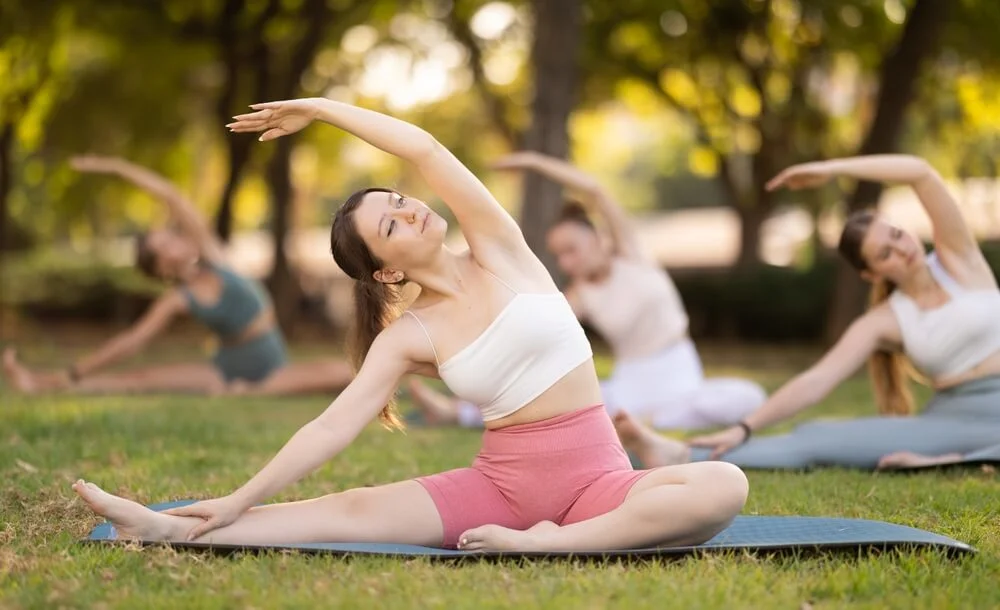
Cardiovascular disease remains a leading health challenge across the United States. Among the various risk factors associated with cardiac events, hypertension—commonly known as high blood pressure—is one of the most pervasive and dangerous. Often called a silent killer, hypertension frequently develops without noticeable symptoms, yet it continuously damages blood vessels, strains the heart muscle, and accelerates the development of plaque in the arteries.
While conventional medical approaches heavily rely on pharmacological interventions and standard aerobic exercises like running or cycling, clinical cardiology is increasingly recognizing the profound complementary benefits of mind-body practices. Yoga, an ancient system of physical postures, breath control, and meditation, offers a sophisticated, multi-layered approach to cardiovascular wellness. By targeting the nervous system, reducing chronic systemic inflammation, and improving physical vascular health, yoga serves as a powerful, non-invasive tool for managing high blood pressure and supporting long-term heart health.
The Physiology of Hypertension and the Mind-Body Link
To understand how yoga directly influences cardiovascular metrics, it is vital to examine the physiological mechanics of blood pressure. Your blood pressure reading is determined by two main forces: the amount of blood your heart pumps and the amount of resistance that blood encounters as it flows through your arteries.
When your body enters a state of chronic psychological or physical stress, the brain activates the sympathetic nervous system. This triggers a cascade of biological responses designed for survival: your heart rate increases, blood vessels constrict, and the adrenal glands release stress hormones like cortisol and aldosterone. In the short term, this response is harmless. However, when daily stressors keep this system permanently turned on, the continuous arterial constriction and elevated fluid volume cause a sustained increase in blood pressure. Over time, this high pressure micro-tears the delicate endothelial lining of the arteries, making it easier for cholesterol deposits to form and narrow the pathways.
How Yoga Re-Engineers the Cardiovascular Stress Response
Yoga does not merely stretch muscles; it acts as a conscious override switch for the autonomic nervous system. The practice tackles cardiovascular strain through several distinct biological path channels.
Restoring Sympathovagal Balance
The primary mechanism through which yoga lowers blood pressure is by restoring balance between the sympathetic (fight-or-flight) and parasympathetic (rest-and-digest) nervous systems. Slow, deliberate physical movements combined with mindful awareness stimulate the vagus nerve. The vagus nerve acts as the primary braking system for the heart. When stimulated, it releases acetylcholine, a neurotransmitter that directly signals the heart to slow down its contractions and encourages the smooth muscle walls of the blood vessels to relax, widening the pathways and immediately lowering peripheral vascular resistance.
The Power of Regulated Breathing
In yoga, breath regulation, or pranayama, is fundamental. Many individuals with high blood pressure suffer from a habitual pattern of shallow, rapid chest breathing. This poor breathing pattern keeps the body in a state of mild hypoxia, which continuously triggers the sympathetic nervous system to elevate blood pressure.
Practicing slow, deep, diaphragmatic breathing at a rate of roughly five to six breaths per minute maximizes the efficiency of oxygen exchange in the lungs. This optimization satisfies the brain’s oxygen demands, allowing the respiratory centers to decrease the neural drive that stimulates elevated heart rates and vascular tension. Furthermore, deep abdominal breathing alters the pressure dynamics within the chest cavity, facilitating better venous return of blood to the heart and reducing the overall workload on the myocardium.
Reducing Vascular Inflammation
Chronic high blood pressure is deeply intertwined with systemic inflammation. Elevated stress hormones encourage the production of pro-inflammatory cytokines, which stiffen arterial walls and degrade cardiovascular elasticity. Yoga has been shown to down-regulate the genetic pathways responsible for producing these inflammatory markers. By lowering baseline cortisol levels, regular yoga practice helps maintain the natural compliance and elasticity of blood vessels, ensuring they can expand and contract smoothly in response to changing physical demands.
Selecting Safe Postures and Modalities for Heart Health
Not all yoga is identical, and certain styles or postures require careful selection when managing hypertension. For cardiovascular rejuvenation, the emphasis shifts away from extreme physical exertion toward stability, relaxation, and alignment.
-
Restorative Yoga: This modality utilizes props like blankets, blocks, and bolsters to support the body completely in passive postures. By eliminating the need for muscular effort, restorative yoga allows the body to drop into a deep parasympathetic state, which is ideal for lowering acute hypertensive spikes.
-
Gentle Flow and Hatha: Slower-paced styles allow the heart rate to elevate mildly and safely, providing a gentle cardiovascular conditioning effect without triggering a massive adrenaline release.
-
Modified Inversions: Traditional advanced inversions like full headstands or handstands cause a sudden, significant rush of blood pressure to the brain, which can be dangerous for someone with uncontrolled hypertension. Instead, gentle, supported partial inversions like legs-up-the-wall pose provide the benefits of enhanced venous return and relaxation without straining the cranial vessels.
The Cumulative Impact on Cardiac Risk Factors
The cardiovascular benefits of yoga extend beyond the direct lowering of blood pressure numbers. The practice addresses a cluster of interconnected metabolic and lifestyle factors that dictate overall heart health.
Regular practice assists in weight management by reducing stress-induced eating behaviors governed by high cortisol. It enhances insulin sensitivity, which helps regulate blood glucose levels and lowers the risk of developing type 2 diabetes—a condition that significantly accelerates cardiovascular decline. Additionally, the improved mental clarity and reduced anxiety associated with yoga encourage better sleep patterns. High-quality, uninterrupted sleep is a critical period during which the cardiovascular system naturally undergoes a deep reset, dropping blood pressure by ten to twenty percent in a process known as nocturnal dipping.
Frequently Asked Questions
Is it safe to practice hot yoga if I have been diagnosed with high blood pressure? Hot yoga styles, such as Bikram, take place in rooms heated to over one hundred degrees Fahrenheit. The intense heat combined with humidity causes blood vessels to dilate significantly, which can lead to sudden drops in blood pressure, dizziness, and a dramatic compensatory increase in heart rate. For individuals with existing hypertension, especially those taking blood pressure medications, hot yoga poses an unnecessary cardiovascular strain and should generally be avoided in favor of temperature-controlled environments.
How many times a week should I practice yoga to see a measurable reduction in my blood pressure? Clinical studies investigating the impact of yoga on hypertension indicate that consistency is more important than duration. Practicing yoga for twenty to thirty minutes, three to four times a week, is typically sufficient to produce a measurable downward trend in both systolic and diastolic blood pressure within eight to twelve weeks.
Can practicing yoga allow me to stop taking my prescribed blood pressure medications? Yoga should always be viewed as a complementary therapy, never a unilateral replacement for pharmaceutical interventions prescribed by a cardiologist. While yoga can significantly lower blood pressure numbers, any reduction, modification, or cessation of prescription medication must be managed strictly by your physician based on clinical readings over time.
Are there specific breathing techniques in yoga that people with hypertension must avoid? Yes, certain rapid, forceful pranayama techniques like Kapalabhati (breath of fire) or Bhastrika (bellows breath) involve hyperventilation and intense abdominal contractions. These practices rapidly elevate heart rate, increase pressure within the chest, and stimulate the sympathetic nervous system, making them counterproductive and potentially hazardous for individuals with high blood pressure. Stick to slow, cooling breaths like alternate nostril breathing instead.
Why does my blood pressure sometimes drop too low during or right after a yoga session? If you are taking anti-hypertensive medications, the natural blood-pressure-lowering effects of a deep yoga practice can occasionally combine with your medication to cause orthostatic hypotension. This manifests as mild dizziness or lightheadedness, particularly when moving quickly from a seated or forward-folding position to a standing position. To prevent this, always transition between postures very slowly and allow your body a few breaths to adjust its internal pressure dynamics.
Can yoga help recover heart function after a person has suffered a heart attack? Yes, gentle yoga is an excellent addition to formal cardiac rehabilitation programs, provided the patient has received explicit clearance from their cardiologist. Post-heart-attack yoga focuses heavily on gentle movements to prevent scar tissue stiffness, deep breathing to improve myocardial oxygenation, and mindfulness to combat the high rates of anxiety and depression that frequently follow a major cardiac event.
How does yoga compare to standard aerobic exercise like walking for lowering blood pressure? Aerobic exercise primarily lowers blood pressure by strengthening the heart muscle itself and improving physical vascular capacity. Yoga works through a different pathway, primarily optimizing the neural and hormonal mechanisms that govern vascular tone. Combining both low-impact aerobic exercise like brisk walking with a regular mind-body yoga practice provides the most comprehensive, dual-action protection for heart health.
